
A designer’s look at access, identity, and the beautiful game’s global pull.
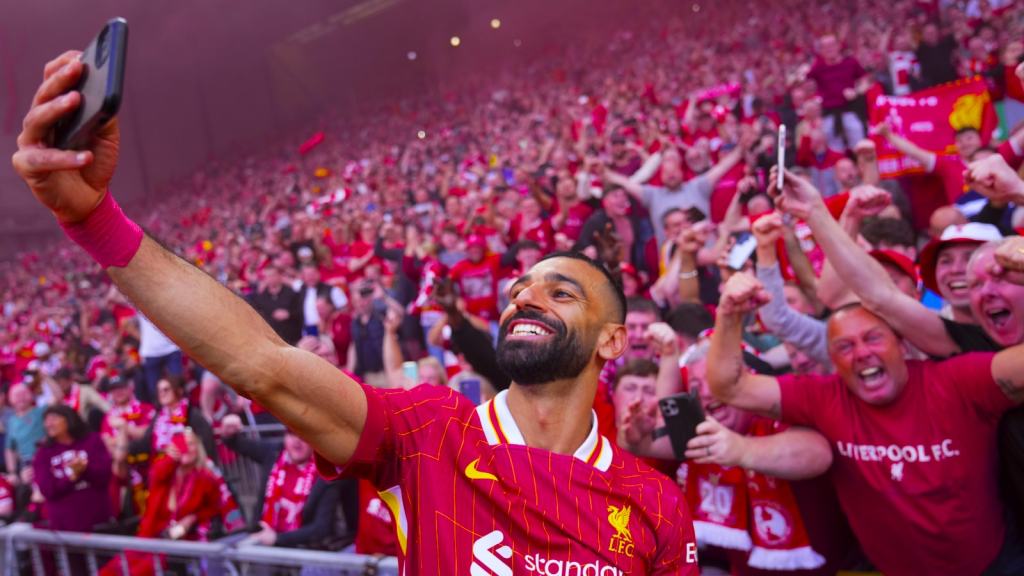
Football—called soccer in North America—doesn’t need much to happen: a ball, some open space, and a handful of people. That simplicity scales from street games to packed stadiums and helps explain why more than any other sport, football has become a shared global language. But access is just the starting point. Football’s popularity comes from a tight weave of culture, community, economy, and design—how the game is structured, how it’s broadcast, and how it fits into people’s daily lives.
1) Simplicity lowers the barrier to entry
Rules are straightforward: keep the ball in play, avoid using hands (goalkeepers excepted), and outscore the opponent. Equipment is minimal, and an informal match can adapt instantly—five-a-side in an alley, three-a-side on a beach, or full 11v11 on grass. This low cost and high flexibility make the sport inclusive across class, age, and geography.
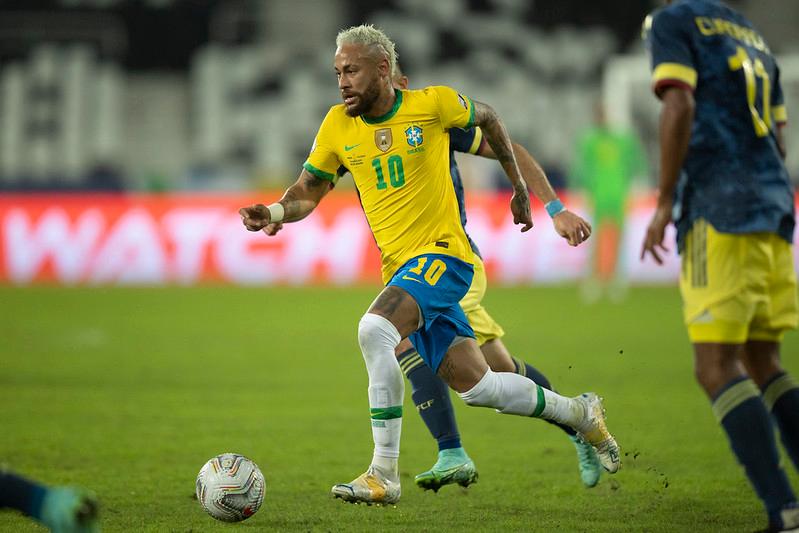
Minimal gear: A durable ball is enough for years of play.
Flexible space: Streets, fields, rooftops—boundaries can be improvised.
Quick setup: Games form and finish within the rhythms of daily life.
“Easy to start, hard to master” keeps the door open to everyone while rewarding skill at every level.
2) A true global calendar
Unlike many sports with short pro seasons, football offers a year-round narrative. Domestic leagues (Premier League, La Liga, Brasileirão, MLS), continental competitions (UEFA Champions League, Copa Libertadores), and national team tournaments (World Cup, Euros, Copa América, AFCON, Asian Cup) create an almost continuous storyline. That cadence keeps fans engaged weekly and invites newcomers at multiple entry points.
For creators and designers, this steady flow also feeds content ecosystems: match graphics, player portraits, kit launches, and social-story formats that renew every week.
3) Identity, belonging, and local pride
Clubs function like cultural landmarks. Badges, chants, and colors carry family histories and neighborhood identities. You can support a global powerhouse or a community club down the street—either way, belonging feels authentic. Internationally, national teams compress identity into 90 intense minutes where diaspora communities connect across borders.
Design note: Club crests and kits are semiotics in motion. Color palettes, typographic styles, and patterning (stripes, hoops, sash) tell visual stories that persist for generations.
4) Drama without timeouts
Matches play in two continuous 45-minute halves. The uninterrupted flow builds tension: every touch can turn into a decisive moment. That pacing makes the sport easy to watch on mobile, in cafés, or while commuting, and it fits varied viewing habits worldwide.
- Continuous narrative: Few stoppages, constant potential.
- Shared rituals: Pre-match songs, halftime debates, post-match analysis.
- Compact sessions: A full story in under two hours.
5) Accessibility meets aspiration
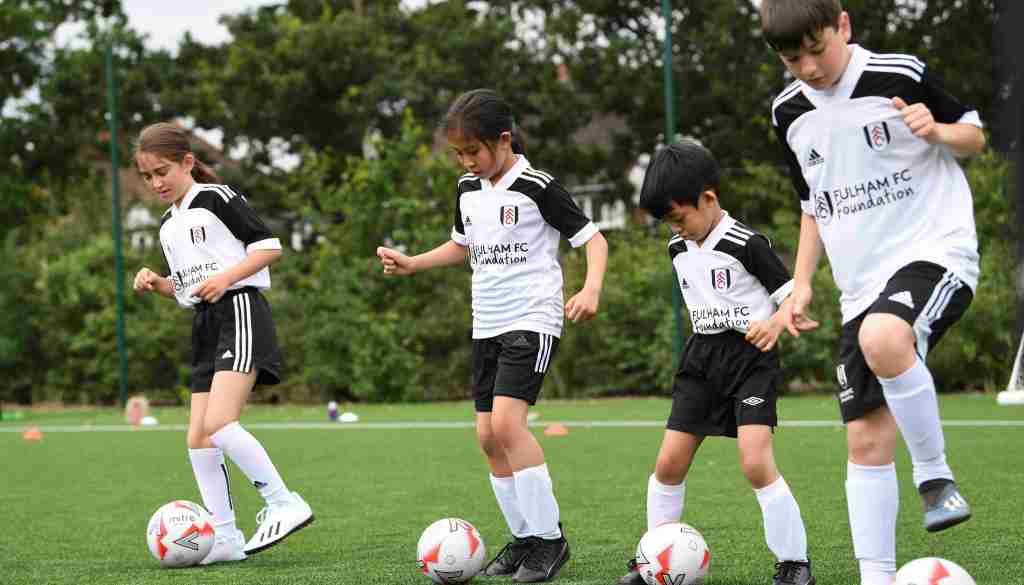
Because the entry barrier is low, talent can surface anywhere. Street football, futsal courts, and school tournaments are legitimate pipelines to professional academies. That visibility—stories of players rising from local pitches to global stages—creates powerful inspiration loops, particularly for youth.
6) Media, platforms, and the highlight economy
Short-form video favors football. Goals, nutmegs, celebrations, and saves are instantly shareable. Clubs and players are now studios: behind-the-scenes content, tactical explainers, and quick cuts bring fans closer than the traditional broadcast ever could. Streaming rights have expanded reach into new markets, and localized commentary/subtitles welcome first-time audiences.
At the same time, open creator communities—fan photographers, motion designers, data analysts—add texture to the experience. The sport’s popularity is amplified by how easy it is to make and circulate compelling football content.
7) The economy of scale
Football’s global audience attracts investment in infrastructure, academies, and community programs. More pitches and coaching create more players and fans—a feedback loop. Major tournaments inject tourism and urban development, while grassroots initiatives keep participation affordable. The result: a self-reinforcing ecosystem where cultural value and economic value grow together.
8) A universal language
Few activities translate so easily across languages and borders. The rules are quickly understood, the emotions are instantly readable, and the rituals are teachable in a single afternoon. Whether you’re in Toronto, São Paulo, Lagos, or Tokyo, a football game looks and feels familiar.
The world’s game is global not just because it is watched everywhere—but because it can be played everywhere.
What about other sports?
Basketball shares football’s simplicity and is rapidly growing; cricket commands huge audiences across South Asia and the diaspora; American football dominates the U.S. market. Each has deep narratives. But no other sport combines low barriers, year-round stories, global club and national structures, and a content format so perfect for the modern feed. Football remains uniquely scalable.
Design & culture: how it shows up in daily life
- Kits as fashion: Jerseys move from stadiums to streetwear.
- Type & layout: Matchday posters and social graphics mix bold type, grids, and motion to deliver rapid updates.
- Sound design: Chants, goal stings, and broadcast idents are brand assets.
- Place-making: Murals, cafés, and community pitches extend the club identity beyond the stadium.

Key takeaways
- Simple rules and minimal equipment make football universally accessible.
- A dense, global calendar sustains attention all year.
- Clubs and national teams embody identity and belonging.
- Continuous play creates natural drama and mobile-friendly viewing.
- Short-form media and creator culture amplify reach.
- Scale and investment reinforce participation from grassroots to elite.
If you’re new to the sport, start here
- Watch a full 90 minutes—no highlights—to feel the game’s rhythm.
- Pick one club and follow a month of matches to learn tactics and roles.
- Play casually with friends; understanding grows faster on the pitch.
As a designer, I’m fascinated by how football blends utility and emotion: clear rules and open access combined with deep signals of identity. That mix is rare—and it’s why the sport continues to pull billions of people into the same story.


 MATT THE ZAINER
Leave a comment