
Exploring a country where every flavor tells a story — and every region adds a new note to the table.
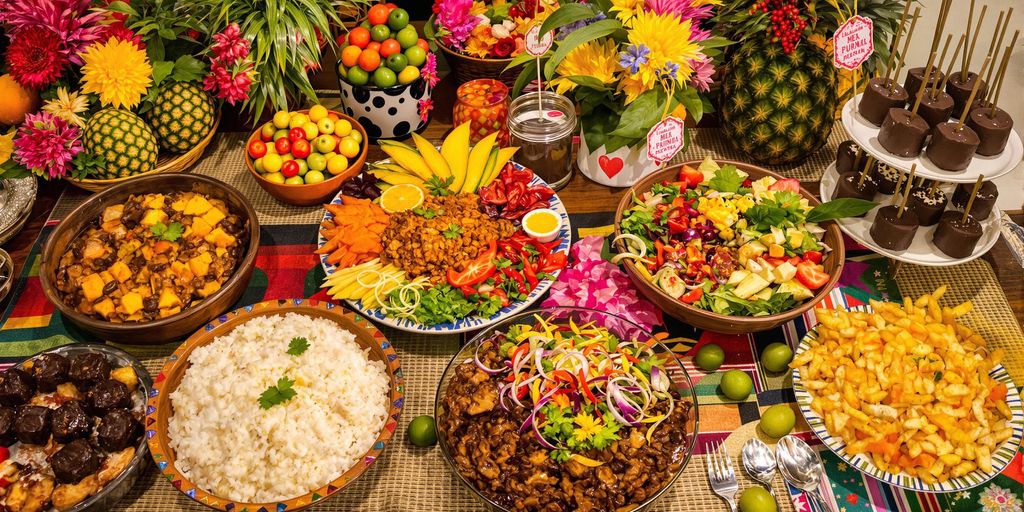
Brazilian cuisine is as vast and diverse as the country itself. Stretching from the Amazon rainforest to the Pampas plains, Brazil’s geography — and its mix of Indigenous, African, Portuguese, and immigrant influences — has created one of the world’s richest culinary tapestries. Every region, ingredient, and recipe tells a story about migration, adaptation, and identity.
Regional roots, national identity
There is no single “Brazilian food.” Instead, Brazil is a mosaic of regional cuisines. In the North, Indigenous traditions dominate with ingredients like açaí, tucupi, and pirarucu. The Northeast’s Afro-Brazilian heritage shines in Bahia, where dishes like acarajé and moqueca mix West African techniques with tropical produce. In the South, waves of European immigrants brought beef, chimarrão tea, and the now-iconic churrasco (Brazilian barbecue).
Each dish, like each accent, carries its own history — together forming the true taste of Brazil.
The influence of migration and culture
Brazil’s food history mirrors its social history. Portuguese colonizers introduced wheat, sugar, and olive oil. Enslaved Africans brought palm oil, okra, and deep-frying techniques. Later, Italian and Japanese immigrants added pasta, coffee, and soy-based dishes. This intermixing produced an incredibly dynamic culinary scene, where feijoada — a stew of black beans and pork — stands as both a national dish and a symbol of cultural fusion.
- Portuguese: Pastries, stews, salted cod (bacalhau)
- African: Dendê oil, okra, coconut milk, spices
- Indigenous: Manioc, tropical fruits, fish-based broths
- Immigrants: Pasta, sushi, beer, and coffee traditions
Ingredients of abundance
Brazil’s biodiversity offers an endless pantry. The Amazon alone contributes thousands of edible species unknown outside the region. Tropical fruits — mango, guava, cupuaçu, passion fruit — color both savory and sweet recipes. Manioc (cassava) is perhaps the most symbolic ingredient: from farofa to tapioca, it sustains much of Brazil’s population and reflects Indigenous resilience.
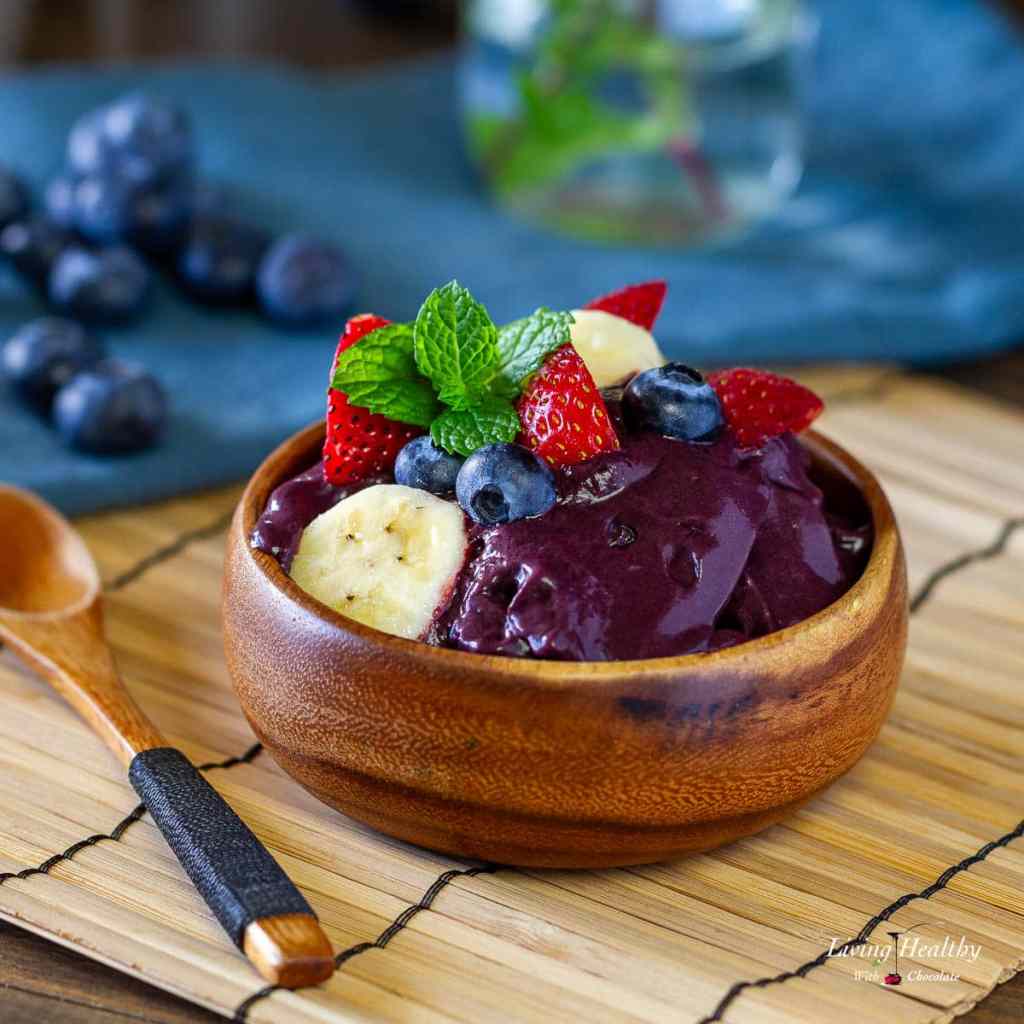
Design note: The palette of Brazilian cuisine — from saffron yellows to açaí purples — mirrors its artistic vibrancy and visual culture, often inspiring design, fashion, and branding aesthetics.
Street food and everyday rituals
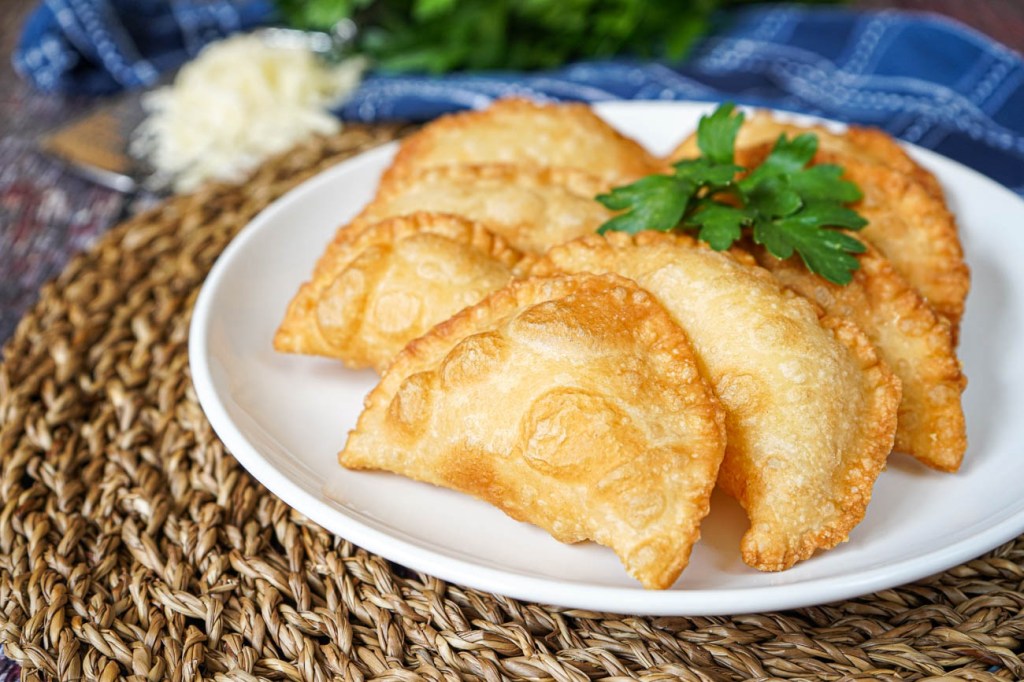
Brazilians take food beyond the kitchen — to the streets, beaches, and markets. From pão de queijo (cheese bread) served with morning coffee, to pastel stalls in São Paulo, and tapioca crepes in the Northeast, everyday snacks reflect regional identity and social life. Food is a connector: it brings people together, breaking barriers of class and background.
- North/Northeast: Tapioca, açaí bowls, fried fish
- Central-West: Pequi rice, barbecued meat
- South: Chimarrão, pão de milho, empanadas
From heritage to haute cuisine
Today, Brazilian chefs are reimagining traditional recipes with modern techniques. Restaurants in São Paulo, Belo Horizonte, and Rio de Janeiro have brought Indigenous and Afro-Brazilian ingredients to fine dining. Dishes once seen as “regional” are now celebrated internationally, proving that Brazilian cuisine is not only diverse — it’s innovative.
Modern Brazilian cuisine isn’t a trend — it’s a conversation between history and creativity.
Key takeaways
- Brazilian cuisine reflects its mix of Indigenous, African, and immigrant influences.
- Each region contributes unique ingredients, rituals, and techniques.
- Biodiversity fuels culinary creativity and sustainability.
- Modern chefs elevate tradition to global recognition.
For me, as a Brazilian designer living abroad, food is one of the most powerful reminders of identity. It connects memory, culture, and community — much like design connects people through color, texture, and storytelling. In every recipe, Brazil’s diversity becomes tangible, delicious, and unforgettable.



 MATT THE ZAINER
Leave a comment