
by Nicholas Carr

Who is Nicolas Car?
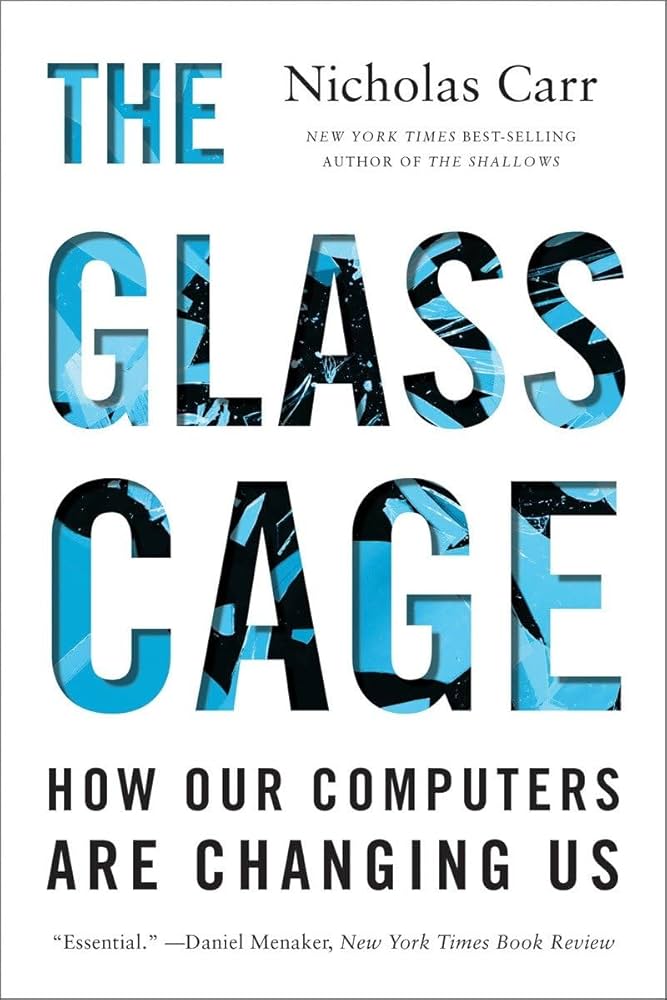
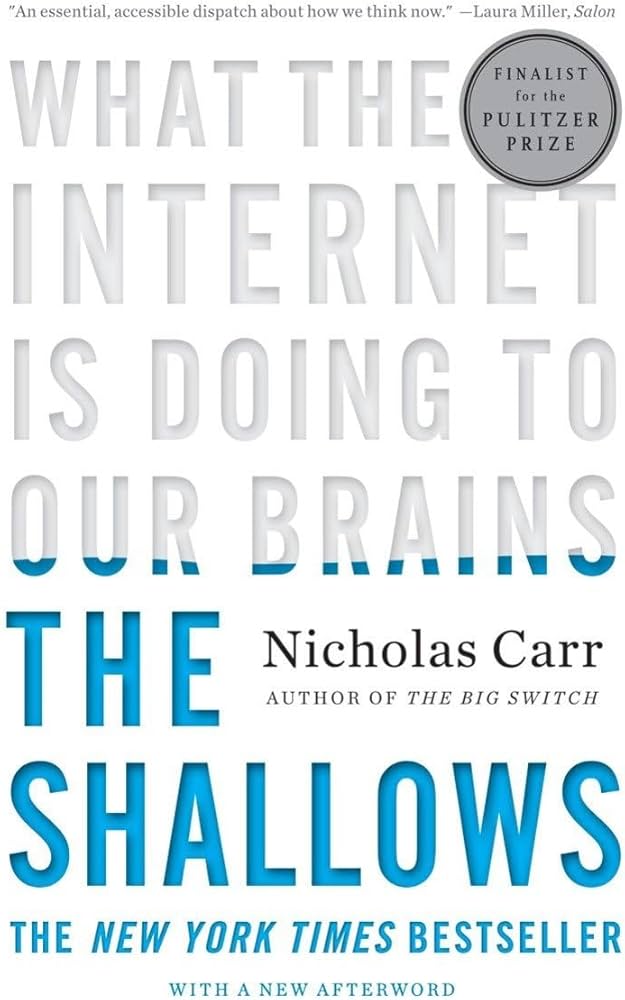
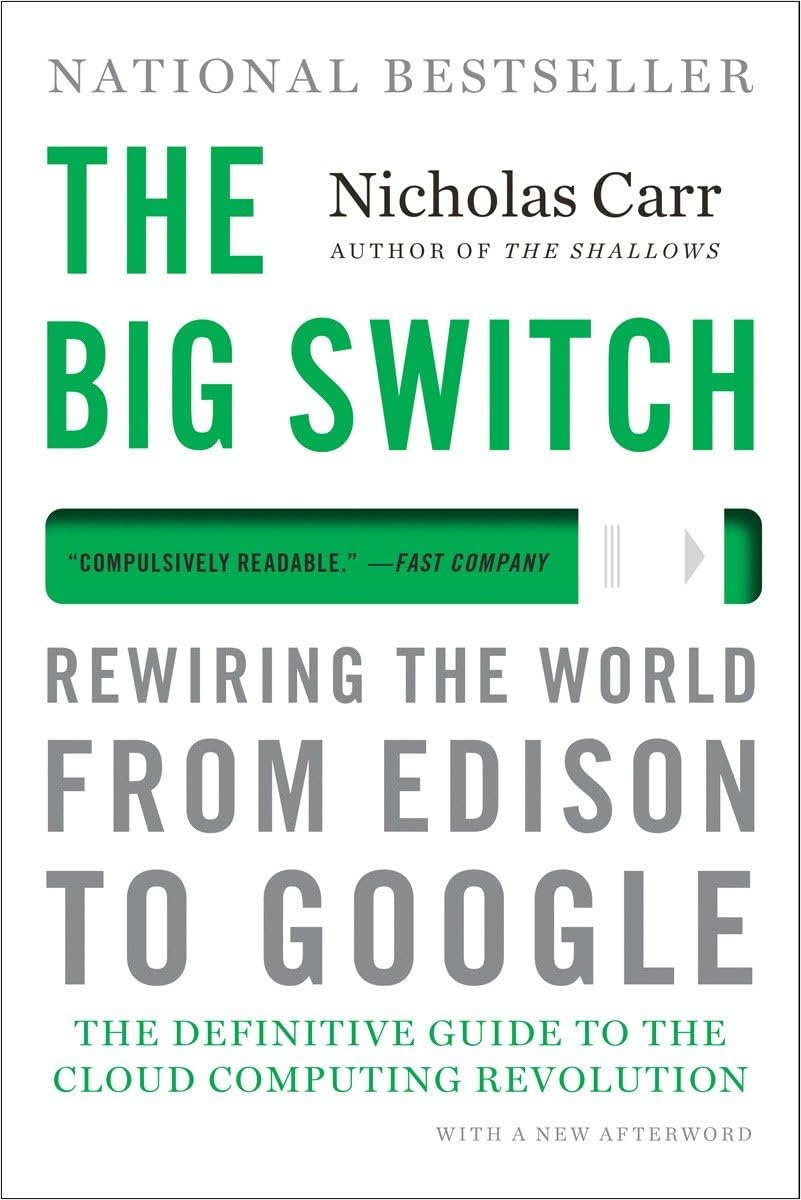
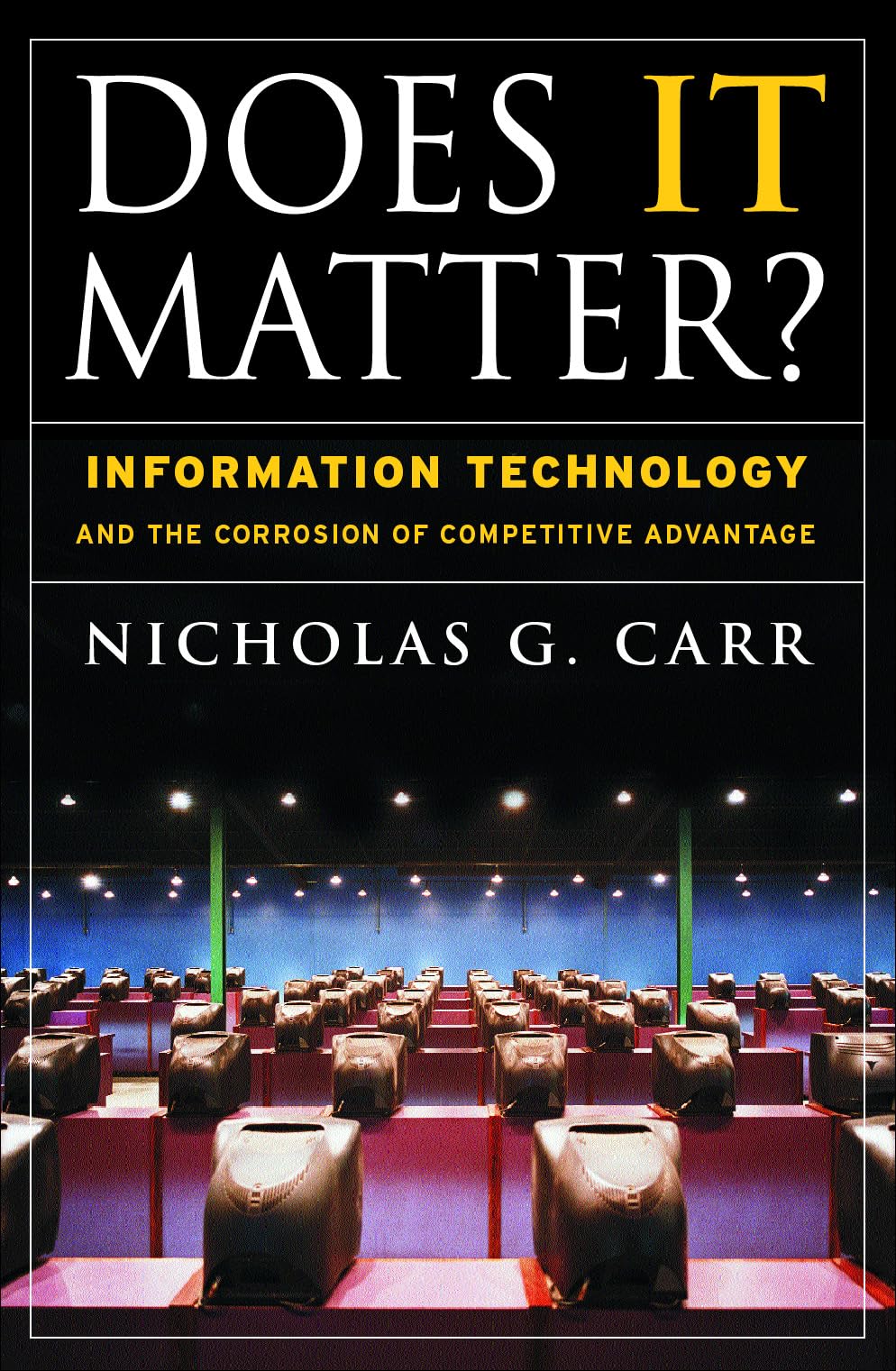
Nicholas G. Carr is an American author and technology critic known for examining how digital tools affect our thinking, culture, and society. Educated at Dartmouth and Harvard, he first gained attention with “IT Doesn’t Matter” (2003), arguing that information technology had become a commodity rather than a competitive advantage. In The Big Switch (2008), he compared the rise of cloud computing to the industrialization of electricity. His Pulitzer-nominated The Shallows (2010) warned that constant internet use weakens deep focus, while later books like The Glass Cage and Utopia Is Creepy explored automation and digital dependence. Across his work, Carr challenges the assumption that all technological progress is beneficial, urging reflection on how technology reshapes attention, creativity, and human connection.
Some works by Nicholas Carr
Is Google Making Us Stupid?
What is the article about?
In his influential 2008 article “Is Google Making Us Stupid?”, Nicholas Carr argues that the internet — and especially search engines like Google — are reshaping the way we think, read, and process information. He suggests that constant online activity promotes skimming, multitasking, and shallow attention, while undermining our ability to read deeply, concentrate, and reflect.
Carr begins with a personal observation: he finds it increasingly difficult to focus on long texts or books without getting distracted. He connects this to broader cultural changes — as more people consume information online, our brains adapt to fast, fragmented input instead of sustained thought. Drawing on neuroscience, he explains that the brain’s plasticity allows it to rewire itself according to how we use it; in this case, the internet is training us to be efficient scanners rather than deep thinkers.
He also compares this shift to historical technological changes — like the invention of the printing press or the clock — showing how tools can subtly change human thought. However, Carr warns that the digital revolution, unlike earlier ones, might erode our capacity for contemplation and critical analysis.
Ultimately, Carr’s message isn’t that Google is evil, but that the convenience of online search and instant information comes at a cognitive cost. He calls for awareness of how technology shapes our minds and for balance between connectivity and depth.
Furthermore, by reading the article, we can observe two very important points that Carr makes:
1) The Internet is reshaping how we think and read. Nicholas Carr argues that our constant use of the Internet has begun to change the very way we process information. Instead of reading deeply and reflecting, we skim, scroll, and jump from link to link — trained by a digital environment built for speed and distraction. Carr shares his own struggle to focus on long texts and notes that many other readers feel the same. The design of the web encourages us to browse quickly, rewarding efficiency over understanding. In this new rhythm of reading, the slow, immersive experience of traditional books becomes increasingly rare.
2) Technology is rewiring the human brain. Carr supports his argument with research on neuroplasticity — the brain’s ability to physically adapt to new habits. He explains that as we spend more time online, our neural pathways adjust to favor scanning, multitasking, and quick reactions rather than sustained attention. Just as earlier inventions like the printing press and the clock reshaped human thought, today’s digital tools are programming us for speed. While this shift enhances our ability to handle large amounts of information, Carr warns that it may come at the cost of depth, contemplation, and critical thinking.
My Personal Reflection
From my own perspective, I completely agree with Nicholas Carr’s arguments in his article. It’s clear that new communication technologies — especially the Internet — are reshaping how we think, read, and write. While digital tools have made information more accessible, they’ve also encouraged habits of speed over depth. I’ve noticed that this shift often makes our reading and interpretation faster but less meaningful, reducing our ability to focus and truly engage with what we consume. This transformation may feel convenient, but it comes with the cost of losing the depth and reflection that once defined thoughtful learning and creativity.

Conclusion
In conclusion, Nicholas Carr’s article “Is Google Making Us Stupid?” serves as a powerful reflection on how the Internet is transforming the way we think, read, and understand information. Carr warns that our dependence on digital technology encourages shallow, fast-paced consumption of content rather than deep, focused engagement. By linking personal experience with scientific research and historical examples, he shows that our brains are adapting to a new mode of reading shaped by constant distraction. Ultimately, Carr urges readers to recognize the cognitive costs of convenience and to seek a balance between the efficiency of modern technology and the depth of traditional, reflective thinking.
Reading the article reinforced my perspective on how profoundly digital technology influences our cognitive habits. The article not only confirmed my own observations about the challenges of deep reading and focus in the digital age but also helped me understand the scientific and historical context behind them. Carr’s insights made me more aware of the subtle ways technology reshapes our thinking — encouraging quick consumption of information rather than thoughtful engagement.




 MATT THE ZAINER
Leave a comment